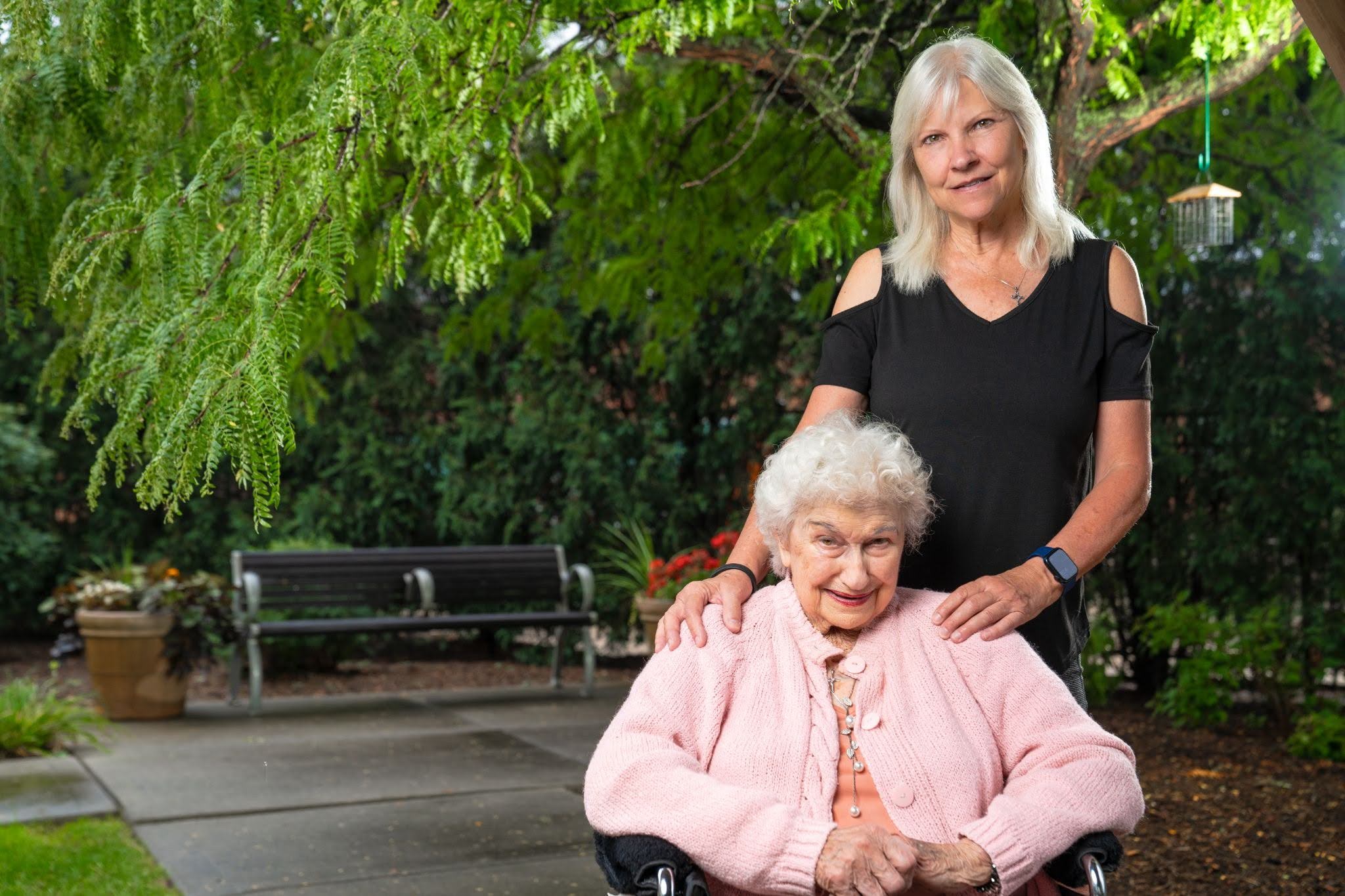

Recognizing the signs that an elderly parent needs help is rarely about one major event. More often, families notice small emotional and lifestyle changes over time, like withdrawal from activities, difficulty managing household responsibilities, or increased anxiety about living alone. Adult children may also begin experiencing growing stress as caregiving responsibilities increase.
At Central Baptist Village, families often come to these conversations seeking reassurance, guidance, and support—not just care solutions. Understanding when to consider senior living is not about taking independence away—it is about supporting safety, confidence, connection, and quality of life. Today’s senior care options for parents help older adults remain active and engaged while receiving the support they need.
The emotional changes families often notice first
Many families expect the need for support will become obvious through a medical diagnosis or serious health event. In reality, emotional and behavioral changes are often the first signs that an older adult may be struggling.
A loved one who once enjoyed social outings may start declining invitations or spending more time alone at home. Hobbies that once brought joy may suddenly feel overwhelming or unimportant. Some older adults begin expressing fear about driving, managing errands, or navigating stairs safely. Others may appear more anxious, forgetful, frustrated, or withdrawn than usual.
Social isolation is one of the most common emotional warning signs. Loneliness can affect both physical and emotional health, especially for older adults who live alone or have limited social interaction. Over time, isolation may lead to decreased motivation, lower confidence, and reduced overall well-being.
Families often notice these subtle shifts long before loved ones openly ask for help.

Signs an elderly parent may be struggling at home
In addition to emotional changes, families may begin noticing small disruptions in daily life that suggest home is becoming more difficult to manage.
Some of the common signs an elderly parent needs help include:
- Unopened mail or unpaid bills piling up
- Missed appointments or forgotten medications
- Changes in personal grooming or housekeeping habits
- Spoiled food or reliance on unhealthy meals
- Difficulty keeping up with laundry or household tasks
- Increased concern about falls or mobility challenges
- Hesitation about leaving the house alone
Often, these situations are not caused by a lack of desire or effort. Instead, they may reflect physical fatigue, reduced confidence, memory concerns, or the emotional strain of managing everything alone.
Safety concerns also tend to develop gradually. Families may notice these small warning signs:
- Becoming unsteady on stairs
- Forgetting to turn off appliances
- Feeling anxious about emergencies
While each individual issue may seem manageable on its own, together they can create ongoing stress for both older adults and their families. These repeated moments are what first prompt conversations about when to consider Assisted Living or another level of care.
The hidden impact of caregiver stress
When loved ones begin struggling at home, adult children and family caregivers often step in to help. At first, this may involve occasional errands, transportation, or help with appointments. Over time, however, caregiving responsibilities can quickly grow.
Many caregivers find themselves balancing work, family responsibilities, and the emotional weight of constantly worrying about a parent’s safety and well-being. It is common for caregivers to feel overwhelmed, exhausted, or guilty for not being able to do more.
Caregiver stress can affect the entire family. Constant worry may create emotional strain, disrupt schedules, and make it difficult for family members to focus on their own health and responsibilities. In some cases, adult children may begin avoiding conversations about future planning because the topic feels too emotional or complicated.
Exploring senior care options for parents does not mean families are giving up. In many cases, it allows everyone to shift from a stressful caregiving role back into a more supportive and meaningful family relationship.
Exploring senior care options for parents
One of the most important things families can do is begin exploring options before a crisis occurs. Waiting until an emergency happens often limits choices and increases stress for everyone involved.
Today’s senior care options for parents are designed to meet a wide range of needs and lifestyles. Depending on the level of care needed, families may explore:
- Assisted Living for individuals who benefit from help with activities of daily living (ADLs) and added support
- Bridge Care for residents who need more support than Assisted Living provides but do not require Skilled Nursing, offering enhanced assistance and monitoring in a comfortable residential setting
- Memory Care for those living with Alzheimer’s disease or other forms of dementia
- Skilled Nursing (Long-Term Care) for individuals with ongoing medical needs who require 24-hour nursing care, clinical oversight, rehabilitation services, and assistance with daily activities
Having open conversations early allows older adults to participate in decisions about their future, preferences, and lifestyle goals.
Families can begin by asking thoughtful questions together, such as:
- Does home still feel safe and manageable?
- Is loneliness becoming a concern?
- Are daily responsibilities becoming overwhelming?
- Would additional support improve quality of life?
- What kind of environment would help your loved one feel connected and confident?
These conversations may feel emotional at first, but they can also create relief and clarity for everyone involved.
When to consider Assisted Living or a higher level of care
Families often ask how to know when it is truly time to explore senior living. The answer is rarely tied to one single moment. Instead, it is usually a combination of emotional, social, and practical concerns that begin affecting daily quality of life.
It is important to remember that Assisted Living today looks very different from outdated stereotypes many families may still have in mind. Modern communities focus on supporting independence while helping residents stay active, social, and engaged through meaningful daily experiences and personalized support.
For many older adults, moving into a supportive community actually improves emotional well-being. Opportunities for social activities, wellness programs, dining services, and daily support can help reduce stress while restoring confidence and routine.
Rather than struggling alone at home, older adults often discover renewed energy, connection, and enjoyment through community living.

Finding connection, support, and peace of mind
Recognizing the signs that an elderly parent needs help comes from a place of love and concern. While these conversations are not always easy, exploring support early often leads to better outcomes and a smoother transition for families.
Senior living is not simply about care services—it is about helping older adults continue living with dignity, purpose, and connection. A supportive community environment can reduce isolation, encourage engagement, and provide peace of mind for both residents and their loved ones.
At Central Baptist Village, families can explore compassionate senior care options designed to support independence, connection, and overall well-being. Whether you are beginning to notice emotional changes, increasing caregiver stress, or concerns about safety at home, our team is here to help guide your family through every step of the journey. Contact us today to learn more about our welcoming community and supportive lifestyle options.
How can we help?
Please contact us by completing the information below, and we’ll be in touch. We’re happy to provide you with more information or answer any questions you have.