
Caregiving is often framed as an act of compassion, commitment, and resilience, yet it also represents a deeply impactful journey for the individual providing the care. While attention is directed toward the needs of others, this role can offer meaningful opportunities for personal development when approached with balance and thoughtful consideration. The challenge lies in maintaining support for another while protecting emotional and physical well-being. Through acknowledgment of limits, acceptance of complex emotions, and intentional self-care, caregiving can shift from a role defined solely by sacrifice to one that cultivates strength, insight, and renewal.
Caregiver growth varies for each individual, especially given the significant changes involved in supporting someone living with dementia. While this journey can foster resilience and deeper understanding, it can also be emotionally and physically exhausting and may create a sense of losing parts of one’s own routine or identity. Growth may appear in simple ways, such as feeling less overwhelmed or developing a greater sense of patience. It can also involve expanding one’s knowledge of dementia and finding new ways to understand and respond to a loved one’s specific behaviors and symptoms. It is important to recognize that every caregiving experience is unique. Caring for yourself along the way is just as important, as your well-being directly affects the support and compassion you’re able to provide.
As caregiving continues, equal attention must be given to caring for oneself, alongside caring for another. Maintaining this balance can support overall well-being and help sustain the demands of the role over time. A more intentional approach to both caregiving and self-care can create a steadier, more sustainable experience. The following are ways that someone can use to nurture themselves while nurturing their role as a caregiver.

Tips for self-growth as a caregiver
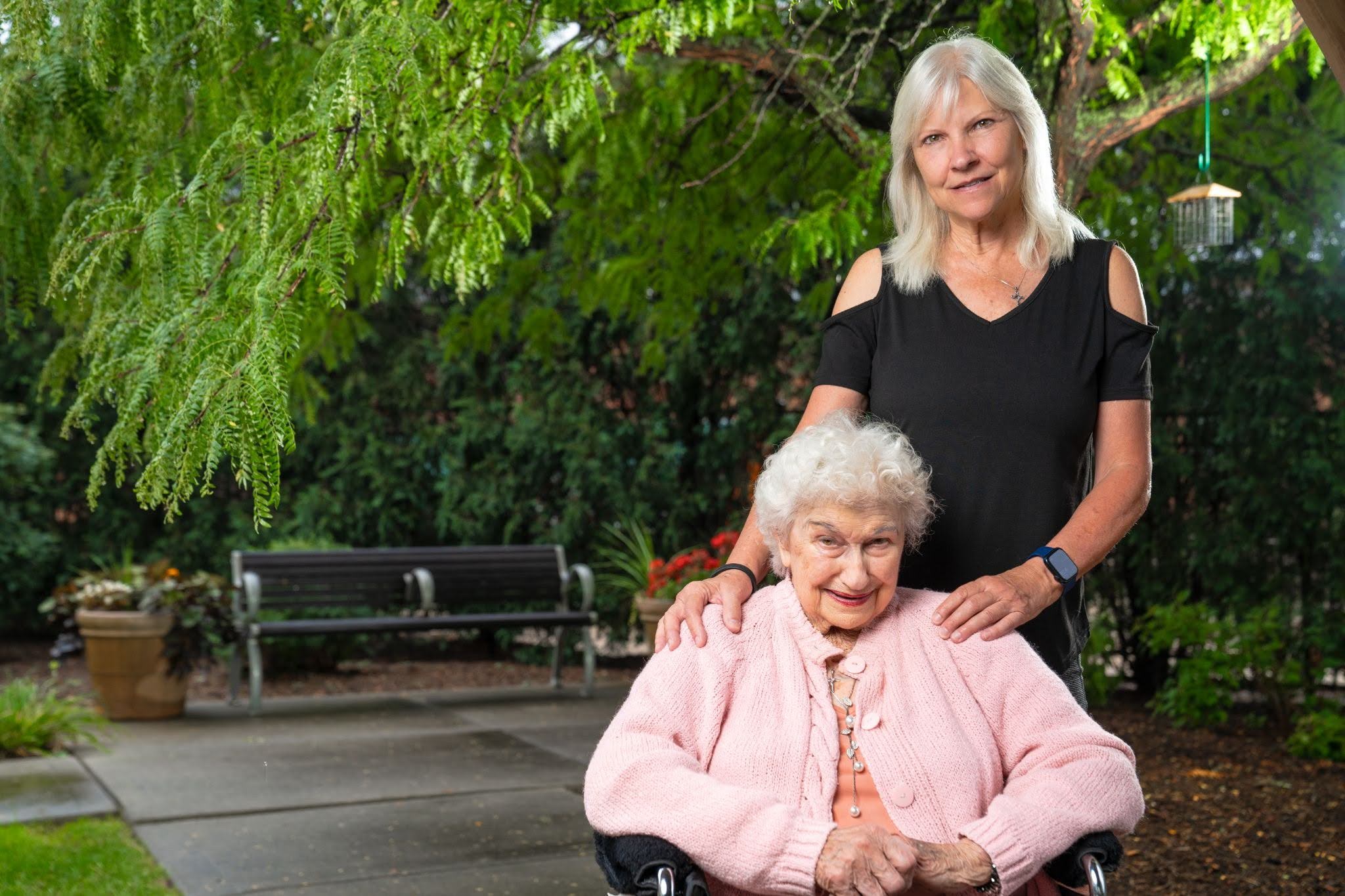
Seek support when needed: Caregiving can be challenging, and it is not necessary to navigate the experience alone. Reaching out to family and friends during overwhelming moments can provide relief and perspective.
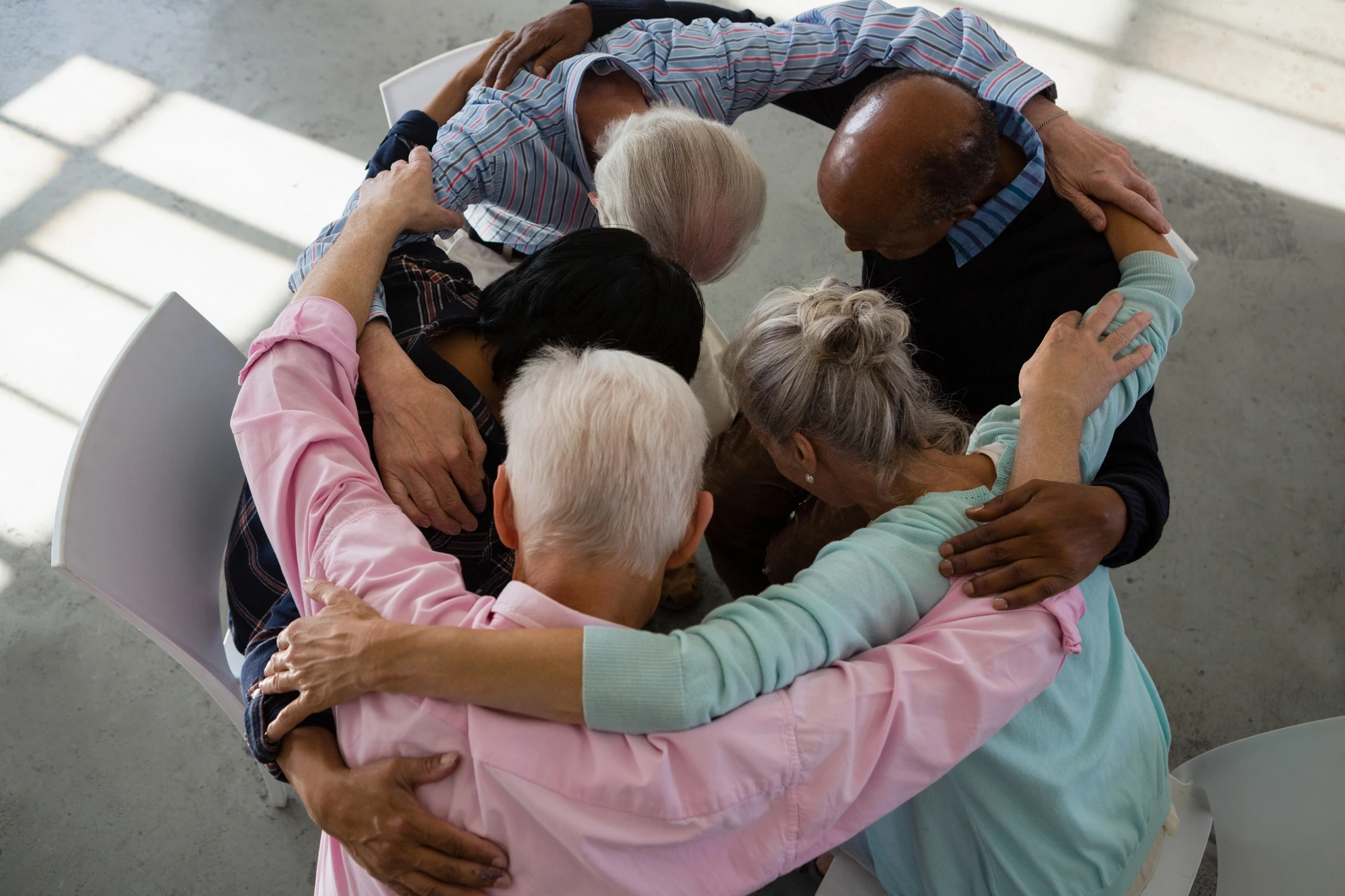
Participate in a caregiver support group: Others may share similar experiences. Engaging in a support group creates space to exchange ideas, discuss challenges, and learn effective strategies for managing a loved one’s dementia.
Prioritize emotional and physical well-being: Providing care requires maintaining personal health. Addressing emotional strain and incorporating uplifting activities supports sustained caregiving.
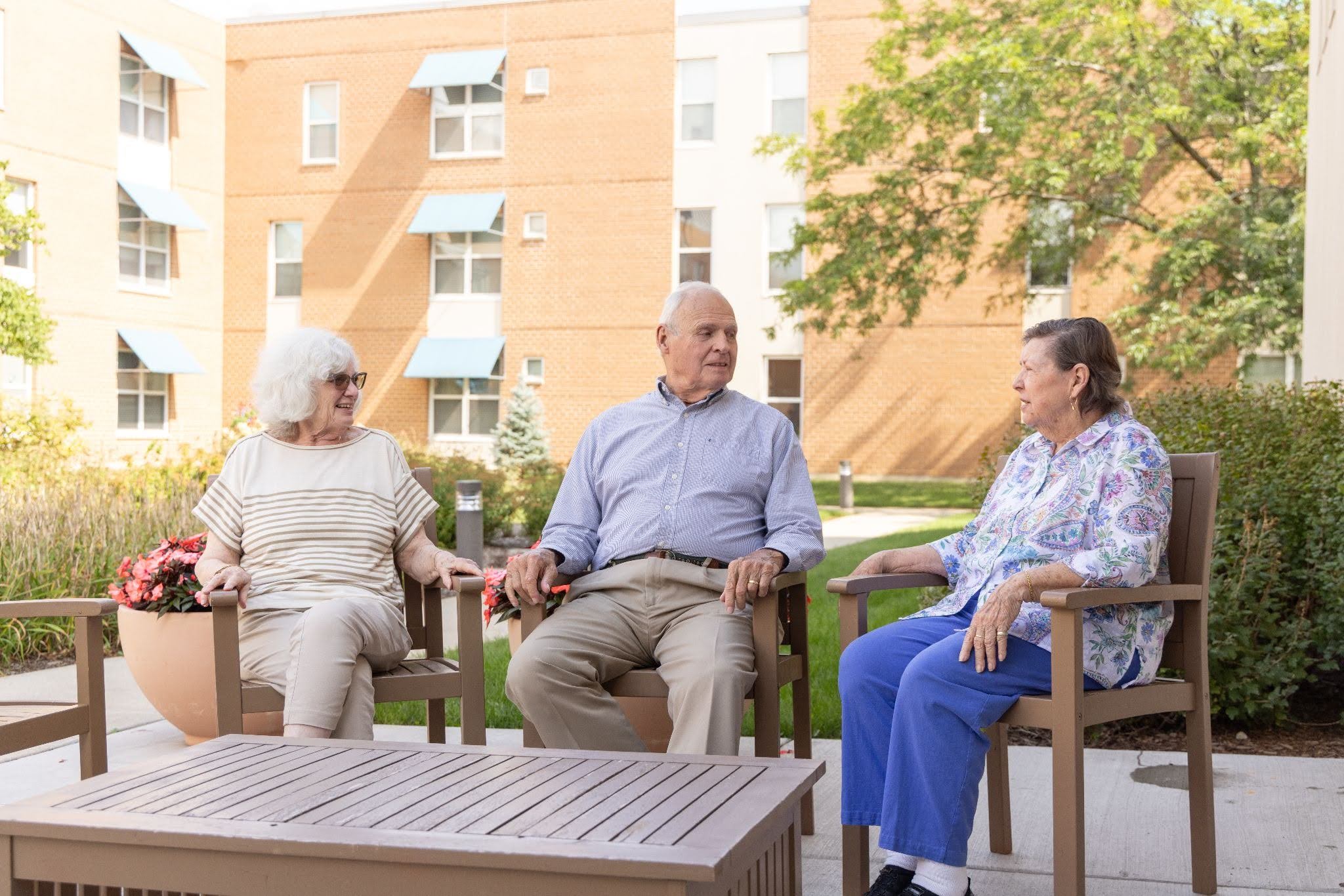
Take breaks and maintain social connections: Spending time with friends and family outside of caregiving responsibilities is essential. Maintaining social interaction beyond caregiving duties helps support overall well-being.
Practice self-compassion and forgiveness: When outcomes differ from expectations, respond with kindness and understanding. Recognizing ongoing effort and accepting imperfection supports growth throughout the caregiving journey.
SOURCES
Alzheimer’s Caregiving: Caring for Yourself | National Institute on Aging
From a dementia caregiver: 10 tips for self-care – HopeHealth
How can we help?
Please contact us by completing the information below, and we’ll be in touch. We’re happy to provide you with more information or answer any questions you have.