
Dementia care is not only about meeting physical and practical needs—it is about connection, dignity, and belonging. Strong community support can play a major role in improving the quality of life for people living with dementia and for those who care for them. When neighborhoods, healthcare providers, families, and local organizations work together, they create environments where individuals feel valued, understood, and supported.
Inclusivity in dementia care ensures that people of all backgrounds, abilities, cultures, and identities are welcomed and encouraged to participate fully in community life. By fostering compassion, accessibility, and social inclusion, communities can help people living with dementia maintain independence, purpose, and meaningful relationships.
Community in long-term care
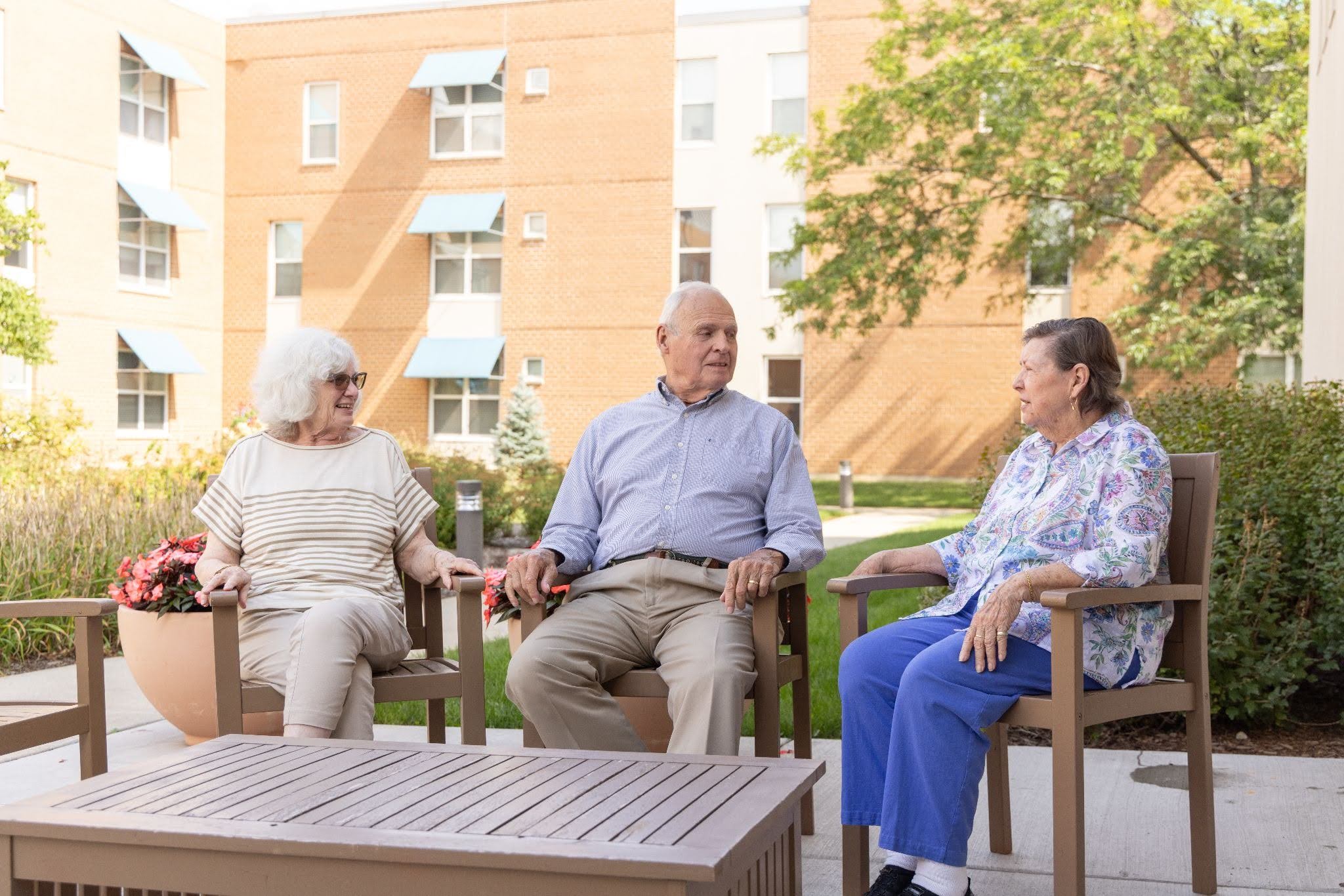
In long-term care settings, a strong sense of community is vital to a person’s emotional and social well-being. Meaningful relationships among residents help create comfort, familiarity, and companionship while also reducing feelings of isolation. Shared experiences and social interaction encourage connection, purpose, a sense of belonging, and a feeling of acceptance.
For people living with dementia, supportive environments that promote familiarity and routine are especially beneficial. Consistent daily schedules, clear communication, and opportunities to participate in familiar activities can help reduce stress and confusion. Family involvement and person-centered care also help preserve an individual’s identity, preferences, and sense of self, while building trust and emotional comfort within the care community.ply creates an opportunity to explore possibilities before decisions become urgent.
Emotional, cognitive, and physical benefits of community
Community inclusivity can improve the well-being of people living with dementia in several ways. Emotionally, social interaction and meaningful connections can reduce feelings of loneliness, fear, and isolation while providing comfort and reassurance.
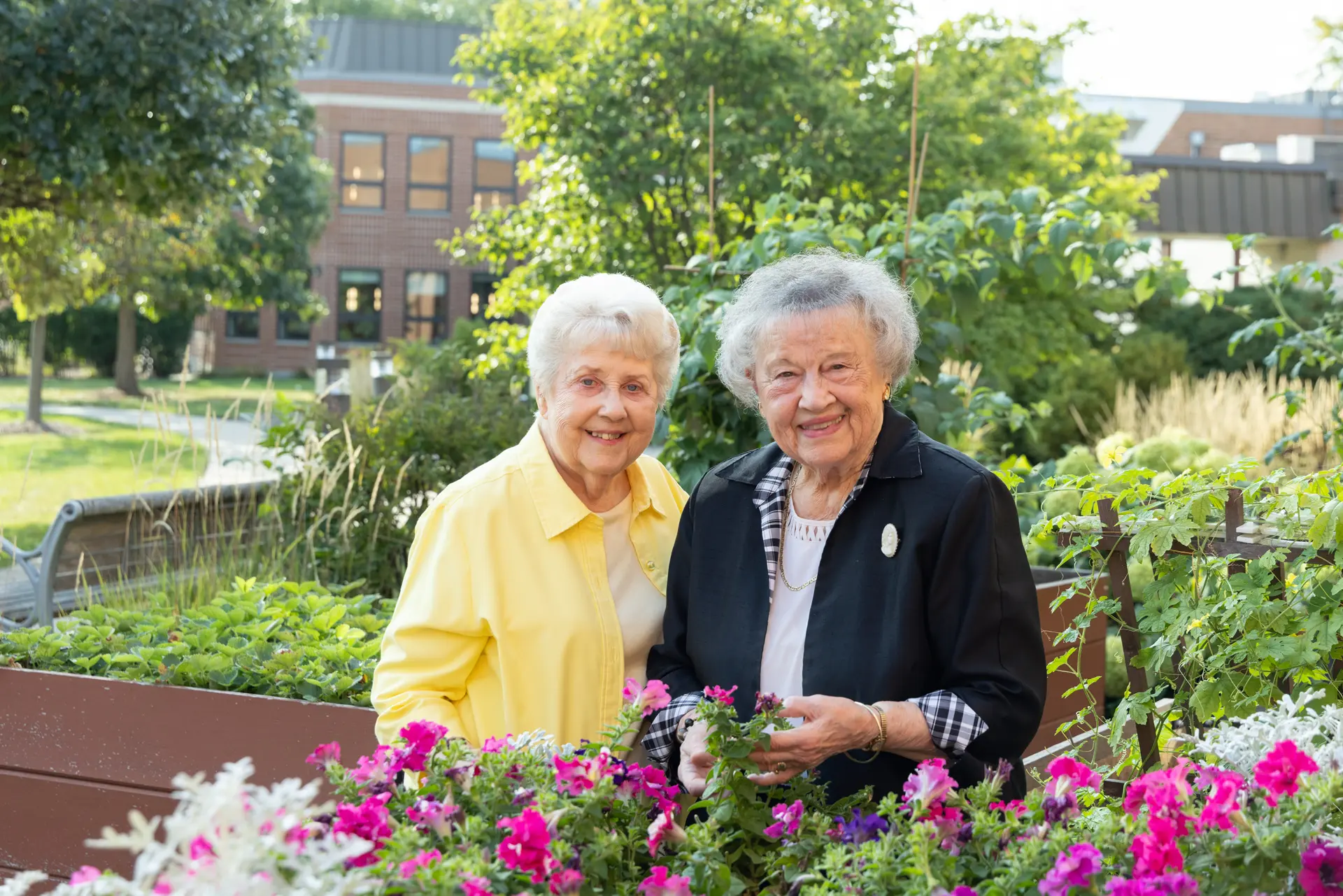
Activities such as shared meals, conversations, music, and recreation help individuals feel valued and connected. Cognitively, staying socially engaged may support communication, stimulate memory, and encourage cognitive function. Participating in conversations, creative activities, and daily routines can also foster a sense of purpose and accomplishment. Physically, feeling connected to one’s environment can increase participation in activities such as walking, gardening, games, and exercise groups, which all help to promote mobility, coordination, and overall health.
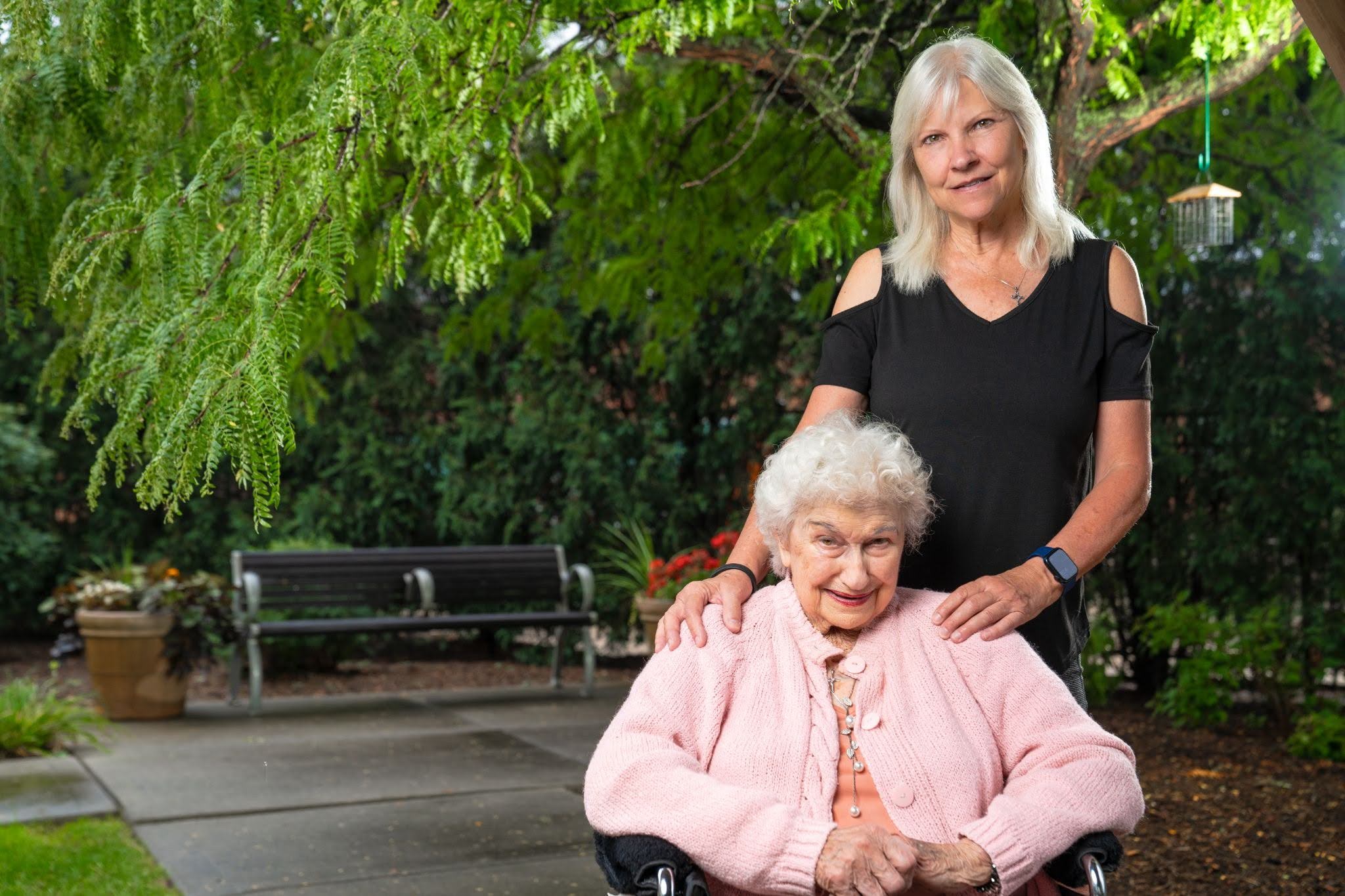
Strong community support also benefits families and caregivers. When caregivers feel included, supported, and understood, the result can be a reduction in emotional strain and caregiver burnout. Building dementia-friendly communities encourages compassion, patience, and understanding for everyone involved in the dementia care journey.
Tips on engaging in community
Community does not happen automatically and can even be challenging for some. To experience the benefits, it often takes intentional effort and participation, especially when it feels unfamiliar at first. Here are a few ways to increase engagement:
- Start with small interactions: Learn a neighbor’s name, share a meal with someone new, or stop for a brief chat
- Join shared activities: Attend events, clubs, classes, or programs that match your interests
- Follow up: Return to activities regularly and continue conversations to build stronger relationships over time
- Step outside your comfort zone: Meeting new people may feel uncomfortable at first, but meaningful connections often begin when we are willing to put ourselves out there
Sources
The Power of Community: Why Inclusion Matters in Dementia Support | Dementia Adventure
How Dementia-Friendly Communities Are Shaping a More Inclusive Future
https://www.alz.org/help-support/community/dementia-friendly-communities?utm_source=chatgpt.com
How can we help?
Please contact us by completing the information below, and we’ll be in touch. We’re happy to provide you with more information or answer any questions you have.