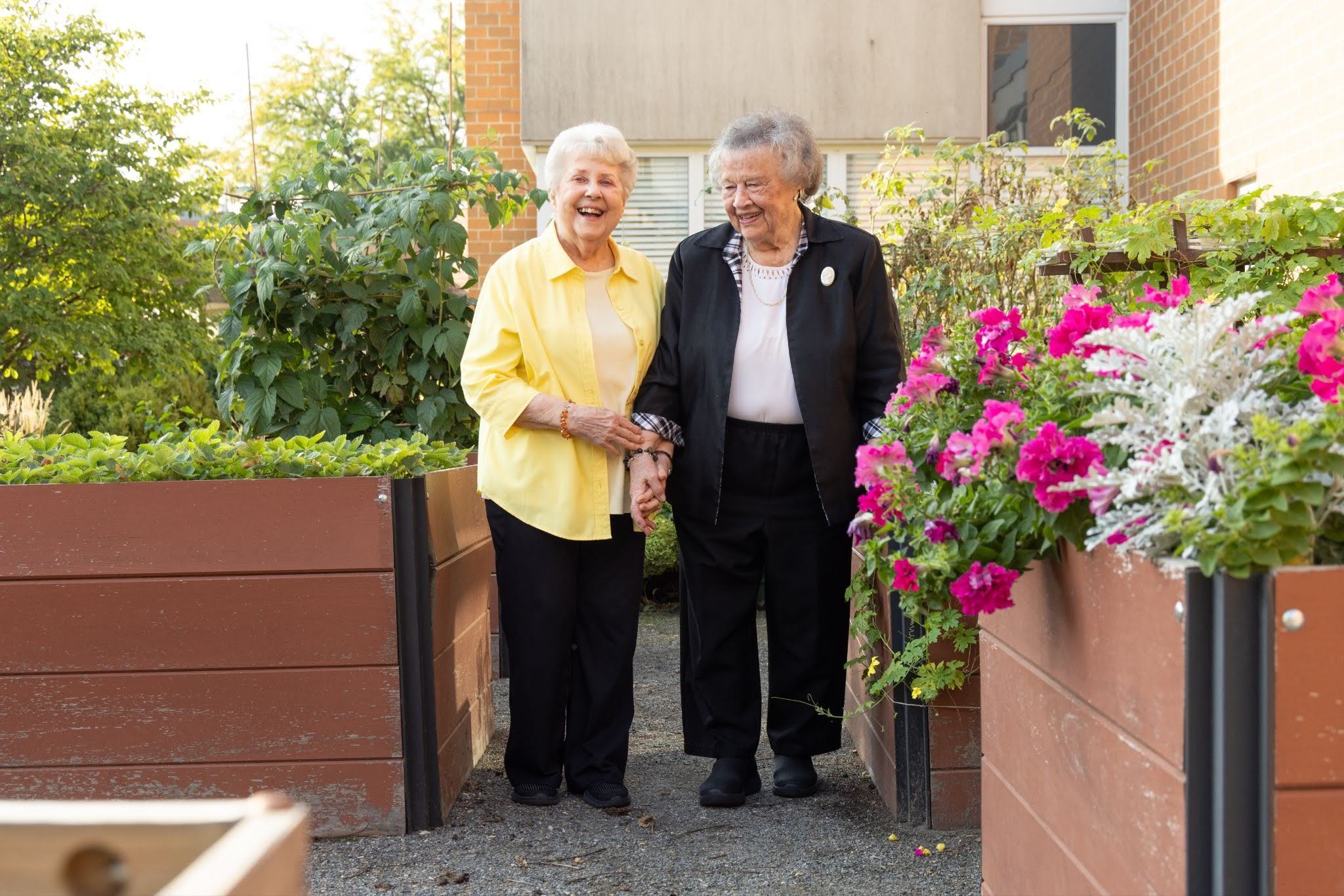

At a Glance: Healthy aging can be supported through small, consistent choices that support physical, emotional, and cognitive well-being. Paying attention to changes in a loved one’s daily routine can help families make informed senior living decisions before a crisis occurs.
Key takeaways:
- Healthy aging starts with everyday habits.
- Small changes can signal it’s time for additional support.
- Early planning gives families more senior living options and greater peace of mind.
- Moving to Assisted Living can enhance quality of life for older adults and their loved ones.

What daily habits support healthy aging?
Healthy aging begins with everyday routines that help older adults stay physically active, socially connected, and engaged in the things they enjoy. While there’s no single formula for aging well, these everyday routines can play an important role in maintaining well-being and independence over time.
Many of the habits that support healthy aging are also the ones families naturally encourage:
- Staying physically active through walking, stretching, or fitness classes
- Eating balanced, nutritious meals
- Keeping up with preventive healthcare and routine checkups
- Maintaining friendships and social connections
- Participating in hobbies, clubs, or lifelong learning
- Getting adequate sleep and managing stress
These routines do more than support physical health. They also contribute to confidence, purpose, and a higher quality of life. For families, they provide an opportunity to notice subtle changes that may indicate a loved one could benefit from additional support.
Small changes can reveal bigger care needs
Most older adults don’t suddenly need help overnight. Instead, care needs often become noticeable through small changes in everyday routines. You may notice a parent skipping meals because cooking feels like too much work, struggling with household chores, or missing an occasional appointment. Other changes may be physical or social, such as difficulty walking or spending less time with friends.
On their own, these changes may not seem significant. Together, however, they can indicate it’s time to start a conversation about whether additional support could make everyday life easier and more comfortable.
Changes in daily routines
Changes in familiar routines can be an early sign that everyday tasks are becoming more difficult to manage.
- Skipping meals or eating less regularly
- Difficulty preparing nutritious meals
- Neglecting housekeeping or household chores
- Forgetting appointments or other important tasks
Changes in physical abilities
Physical changes may affect a person’s ability to safely manage everyday activities.
- Difficulty walking or getting around the home
- Increased falls or balance concerns
- Trouble with bathing or dressing
- Greater difficulty managing activities of daily living (ADLs)
Changes in social and emotional well-being
Changes in social habits and interests can also signal that additional support may be beneficial.
- Withdrawing from friends or family
- Losing interest in favorite hobbies or activities
- Spending more time alone
- Participating less often in social outings
Recognizing these changes isn’t about taking away a loved one’s independence. It’s about finding ways to support their safety, well-being, and quality of life while helping them continue doing the things that matter most.
Why early conversations lead to better senior living decisions
The best senior living decisions are usually made before they’re urgently needed. Starting the conversation early gives older adults and their families time to consider available options without the pressure of an immediate decision. When possible, older adults should be involved from the beginning, sharing their preferences, priorities, routines, and concerns. This helps families make decisions together and ensures the eventual choice reflects what matters most to the person who will call the community home.
Too often, conversations begin after a fall, hospitalization, or another unexpected event. When decisions must be made quickly, families may feel overwhelmed and have fewer opportunities to compare senior living communities or understand the services each one provides.
Planning ahead changes that experience. Instead of reacting to a crisis, families can visit communities, ask questions, discuss financial planning—including whether long-term care insurance may help cover future services—and make a thoughtful living decision that reflects everyone’s goals.
Why moving to Assisted Living is often the right next step
Moving to Assisted Living isn’t about giving up independence. It’s about gaining the right support to continue living well. Many adult children feel conflicted when considering moving a parent to Assisted Living because they worry they’re letting their loved ones down or taking away their independence.
In reality, choosing an Assisted Living Community is often one of the most thoughtful decisions a family can make, providing the support an older adult needs while helping them maintain as much autonomy as possible.
With the right support, older adults can spend less time worrying about household responsibilities and more time focusing on the activities, friendships, and experiences that bring joy and purpose to each day.
An Assisted Living community can provide:
- Personalized care tailored to each resident’s needs
- Assistance with daily routines and medication reminders
- Housekeeping, dining, and transportation services
- Wellness programs and engaging social activities
- Opportunities to build meaningful friendships
- Access to additional ongoing care if needs change
Families benefit as well. Rather than managing every caregiving responsibility on their own, they can spend meaningful time together while knowing professional support is always available. That reassurance often provides lasting peace of mind.
Healthy aging includes knowing when to accept support
Accepting support is an important part of healthy aging. The right care can help older adults maintain their independence, remain socially connected, and continue enjoying the routines that matter most.
Today’s senior living communities offer much more than assistance with daily tasks. They provide opportunities for wellness, lifelong learning, meaningful relationships, and personalized services that evolve alongside residents’ needs. Many communities also offer educational resources and support groups that provide valuable family caregiving support throughout the aging journey.
At Central Baptist Village, we understand that every family’s situation is unique. Whether you’re beginning to notice subtle changes or actively comparing senior living options, our team is here to answer your questions with compassion.
Through personalized care, engaging lifestyle opportunities, and a commitment to exceptional service, we help residents enjoy a higher quality of life while giving families confidence in every step of the decision-making process.

Help your loved one thrive with the right support
Making important senior living decisions doesn’t have to happen during a crisis. If you’re exploring moving to Assisted Living, comparing senior living communities, or simply looking for trusted guidance, Central Baptist Village is here to help.
Contact us to learn how our senior living community, compassionate team, and personalized approach can help your loved one thrive while giving your family lasting peace of mind.
How can we help?
Please contact us by completing the information below, and we’ll be in touch. We’re happy to provide you with more information or answer any questions you have.