
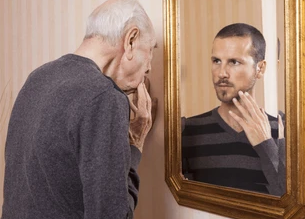
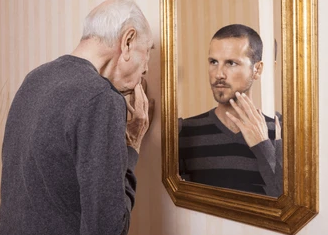
Everyone experiences the world through their own unique lens, and perception can vary greatly from person to person. Mirrored misidentification in dementia occurs when an individual no longer recognizes their own reflection. Instead, they may believe the image in the mirror is someone else. This misperception can lead to significant fear, anxiety, and even paranoia.
This phenomenon highlights the complex ways cognitive decline may disrupt self-awareness, visual processing, and the brain’s ability to link perception with stored memories. Exploring this not only improves the understanding of how the brain manages recognition and perception but also reveals the emotional toll of an inability to recognize one’s own reflection.
Changes in perception and recognition
Dementia can disrupt how the brain makes sense of what we see and hear. Because specific areas of the brain handle different kinds of sensory information, damage to those regions can change how sights and sounds are interpreted. As dementia progresses, a person may experience difficulties with visual perception even if their eyesight itself remains medically healthy.
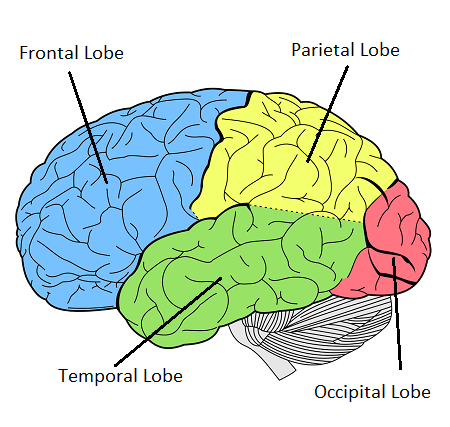
Facial and object recognition are primarily processed in the temporal and parietal lobes of the brain. When these regions are affected, misidentification can occur more frequently, making it difficult to recognize familiar faces—even one’s own—as well as common objects. As a result, a person may look at their reflection and believe it is a family member or even a complete stranger. Mirrors may be interpreted as windows, holes in the wall, or empty space.
The occipital lobe is responsible for processing visual input from the environment. When this region is impaired, it can cause a person to misunderstand what they see. For example, someone might mistake a TV remote for a phone or believe that people on the television are speaking directly to them.
Strategies
While the fear and anxiety that these perceptions cause are very real, they are not based in reality. Simple interventions can significantly help the person feel secure and supported.
- Validate the person’s fear rather than dismissing it
- Gently redirect attention to something comforting or move to a different room
- Observe when and where these episodes occur; for example, if they are more frequent at night, consider covering mirrors before bedtime
- Reduce or remove objects that create reflective surfaces
Mirrored misidentification illustrates how dementia can alter perception in ways that deeply affect a person’s sense of identity, causing a familiar reflection to feel unfamiliar and unsettling. With patience, compassion, and support, we can respond in ways that preserve dignity and promote comfort and safety.
SOURCES
How can dementia change a person’s perception? | Alzheimer’s Society
Why Do Mirrors Confuse People With Dementia? | Dementia Careblazers
The-mirroredself-misidentification-delusion-neuropsychiatry.pdf