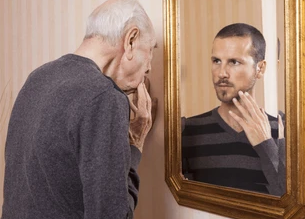
Have you ever wondered how a simple touch can bring comfort when words no longer can? For people living with dementia, compassionate touch can become a vital form of communication—one that conveys safety, empathy, and connection even in moments of confusion or fear. A gentle hand on the arm or a warm embrace can soothe agitation, ease loneliness, and offer reassurance when language begins to fade. Compassionate touch offers families and caregivers a way to ease stress and agitation while providing comfort throughout every stage of dementia.

Compassionate touch techniques
There are many different forms of compassionate touch that can be used. Here are a few examples:
Hair combing or scalp massage
The scalp contains numerous nerve endings, and gentle stimulation can promote relaxation, ease tension, and boost self-esteem. Fingertips should move lightly across the forehead, scalp, and behind the ears.

Manicures and hand massages
Hand massages can enhance feelings of connection and deepen the bond between two people. Apply a small amount of lotion to the hand and wrist, massaging gently in small circular motions.
Hand-under-hand touch
This technique fosters a sense of safety and security and can be used to help individuals living with dementia maintain focus. Extend a hand in a handshake position; after contact, place the opposite hand gently over the other to reinforce connection.
Hugs
Hugs can bring comfort and show genuine care and love. A gentle embrace, held only as long as your loved one feels comfortable, can offer reassurance and a sense of safety.

Be sure to ask for permission before touching or hugging to ensure it’s something the other person is comfortable with. When offering any form of touch, it is essential to stay attentive to body language and immediate reactions. If tension, grimacing, or withdrawal is observed, boundaries should be respected. Movements should remain gentle and not rushed, ideally paired with calm, reassuring words.
As dementia progresses and speech declines, physical touch can serve as a meaningful way to express comfort, connection, and understanding without the need for words. In these quiet moments, a simple touch can offer reassurance, love, and the reminder that the person is seen, valued, and never alone.
SOURCES
Why Touch is Important in Alzheimer’s Care | Blog | Right at Home Boston and North
The Healing Power of Touch: Holding Hands – Montessori Dementia Center