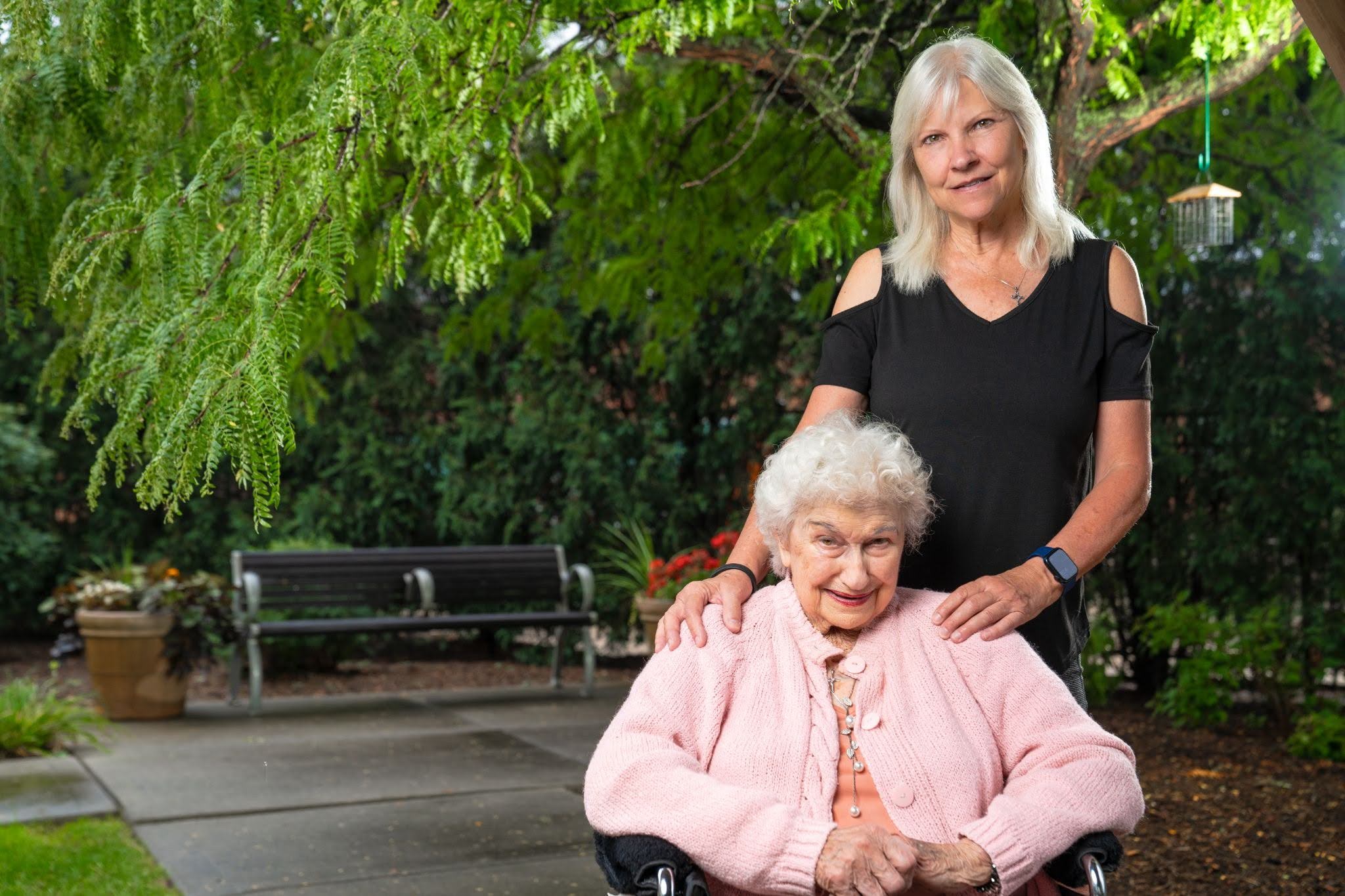


Maintaining dignity in dementia care means recognizing that, even as cognitive and physical abilities change, a person’s worth and identity remain intact. A diagnosis of dementia does not signal an end, but rather the beginning of a different journey. As we move into a new year with new beginnings, there is an opportunity to reflect on how care is given and recommit to compassion, patience, and respect. Dementia changes many aspects of daily life, but it does not diminish a person’s value, voice, or need for meaningful connection.
Creating a familiar environment and maintaining consistent routines that reflect life before a dementia diagnosis can help promote comfort and a sense of security, while also supporting the person’s ability to remain as independent as possible. In all interactions, it is important to remember that a person living with dementia is an adult and should always be treated and spoken to with respect and dignity. Research shows that when individuals with dementia feel respected, they are more likely to feel calm and confident and less likely to experience anxiety or agitation.
Tips for priotitizing dignity in day-to-day care

Speak directly to the person
Make direct eye contact and use a normal, respectful tone of voice. Avoid language that could feel condescending or infantilizing. Even if a response isn’t anticipated, speaking directly to a person living with dementia helps them feel acknowledged and included.
Maintain independence
Supporting independence can be as easy as asking, “Do you want to wear the red shirt or the blue shirt today?” rather than asking an open-ended question like, “What do you want to wear today?”. Simplifying choices can significantly reduce the feeling of being overwhelmend, while continuing to allow the person living with dementia to be involved in daily decision making.
Avoid harsh corrections and arguments
As dementia progresses and short-term memory declines, information shared is quickly forgotten. If you’re hearing repeated questions, do your best to avoid phrases like, “I’ve already told you. . .”, as these can increase anxiety and cause agitation. Responding with patience and understanding is essential.
Focus on abilities, not impairments
While a person’s cognitive and functional abilities limit certain activities, it’s important to focus on what they can do. Encourage participation in personal care tasks such as face washing or hair brushing. Even involvement in simple activities such as sorting papers or folding towels can promote independence and provide a sense of purpose.
At the heart of quality dementia care is a commitment to seeing beyond the diagnosis. As we move into a new year, this serves as a powerful reminder that dignity, compassion, and meaningful connection should continue to guide your approach—ensuring that every person living with dementia continues to be treated with the respect they deserve.
SOURCES
7 Ways to Maintain Dignity in Dementia Care | Franke at Seaside
Preserving Dignity and Grace for a Loved One Suffering from Dementia – Bethesda Health Group
Dementia Patients & Dignity: Caregiving Tips for Respectful Support
How can we help?
Please contact us by completing the information below, and we’ll be in touch. We’re happy to provide you with more information or answer any questions you have.